


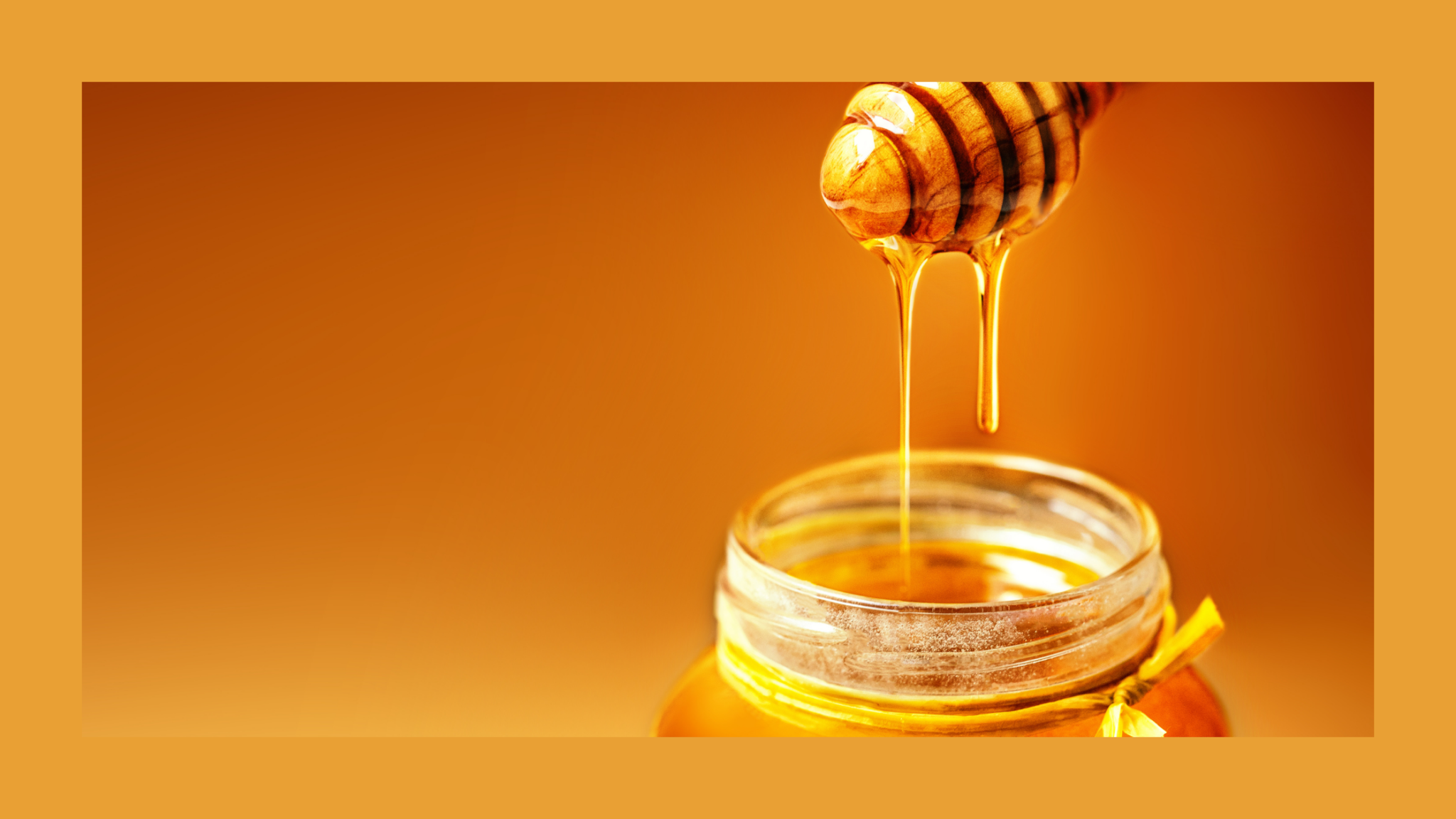
If you have ever wondered whether honey expires, you are not alone. Questions like “does raw honey expire” and “is expired honey safe to eat” are some of the most searched honey related questions online. Data from AnswerThePublic shows that expiration dates on honey cause widespread confusion for consumers.
At Bee Licious Honey, we sell both domestic and imported honeys from around the world. Some of these honeys arrive with best by dates that are required by international labeling laws. These dates do not mean the honey is expired, unsafe, or compromised.
Let’s explain why.
The Simple Answer
Honey does not expire in the way most foods do. When properly harvested, sealed, and stored, pure honey remains safe to eat for many years and in some cases for generations.
This is not folklore or marketing language. It is the result of honey’s natural chemistry.
Honey Expiration. Quick Facts
Fact 1. Honey does not expire.
Pure honey remains stable for years when stored correctly.
Fact 2. Best by dates are not expiration dates.
Dates on honey jars are related to labeling rules, not food safety.
Fact 3. Crystallization is natural.
Crystallized honey is still safe, usable, and normal.
Fact 4. Imported honey follows different rules.
Many countries require date labels on all packaged foods, including honey.
Fact 5. Fermentation is moisture related, not age related.
Honey only ferments when excess water is introduced.
Why Honey Is Naturally Shelf Stable
Honey creates an environment where bacteria and microorganisms cannot survive due to several natural properties working together.
Low Water Content
Fully ripened honey contains very little water, typically under 18 percent. Microorganisms need available water to grow, and honey does not provide that environment.
High Natural Sugar Content
Honey’s natural sugars create strong osmotic pressure. This pulls moisture out of microbial cells and prevents their growth.
Natural Acidity
Honey is naturally acidic, with a pH range of approximately 3.2 to 4.5. Most bacteria that cause food spoilage cannot survive at this acidity level.
Bee Added Enzymes
Bees add enzymes during the honey making process that contribute to long term stability. These enzymes remain present in raw honey and play a role in honey’s natural preservation.
Why Some Honey Has a Best By Date

In the United States, the U.S. Food and Drug Administration does not require expiration dates on honey. Honey is not classified as a perishable food.
However, many other countries require date labeling on nearly all packaged foods. When honey is bottled for international markets, those dates must be included to meet foreign regulations.
As a result:
-
Imported honey often carries a best by date
-
The same honey may not require a date if bottled only for the US
-
The date reflects regulatory compliance, not spoilage
A best by date passing does not cause honey to suddenly go bad.
Is It Safe to Eat Honey After the Date on the Jar?
Yes. Pure honey remains safe to eat well beyond any printed best by date, as long as it has been stored properly and shows no signs of fermentation.
A date on the label is not a safety deadline.
Crystallized Honey Is Not Spoiled Honey
Crystallization is one of the most common reasons people believe honey has expired. In reality, crystallization is a natural physical process and is especially common in raw and minimally processed honey.
Crystallization occurs when natural glucose forms solid crystals over time. This does not affect the safety or usability of the honey.

How to Decrystallize Honey
To gently return crystallized honey to liquid form:
-
Place the jar in a warm water bath
-
Ideal water temperature is approximately 120 to 130 degrees Fahrenheit
-
Allow the crystals to dissolve slowly
-
Avoid boiling water or direct heat, which can damage natural enzymes
When Honey Can Actually Ferment
While honey does not expire, fermentation can occur if honey absorbs excess moisture.
Signs of fermentation include:
-
Sour or alcoholic aroma
-
Bubbling or foaming
-
Sharp or yeasty taste
A Note About Himalayan Mad Honey
Certain Himalayan mad honeys naturally contain slightly higher moisture levels due to how and where they are harvested. Mild fermentation in this type of honey can occur and is considered normal within that category. This characteristic is unrelated to expiration dates and does not indicate contamination.
Proper Honey Storage Matters
To support long term stability:
-
Keep honey tightly sealed
-
Store in a cool, dry place
-
Use clean utensils to avoid introducing moisture or food particles
Important Safety Note for Infants
Honey should never be given to infants under one year old due to the risk of infant botulism. This guideline applies to all honey regardless of age or labeling dates.
Why We Share This Information
Some of the honeys we sell are sourced internationally and may display dates required by foreign regulations. These dates do not reflect safety concerns or reduced quality.
Our goal is to help customers feel confident purchasing and enjoying honey without unnecessary worry. For readers who want a deeper explanation of international labeling laws and why imported honey almost always carries dates, we cover that topic in a separate educational post.
The Bottom Line
Honey does not expire.
Best by dates on honey are regulatory labels, not safety warnings.
Crystallization is natural.
Properly stored honey remains safe and edible for many years.