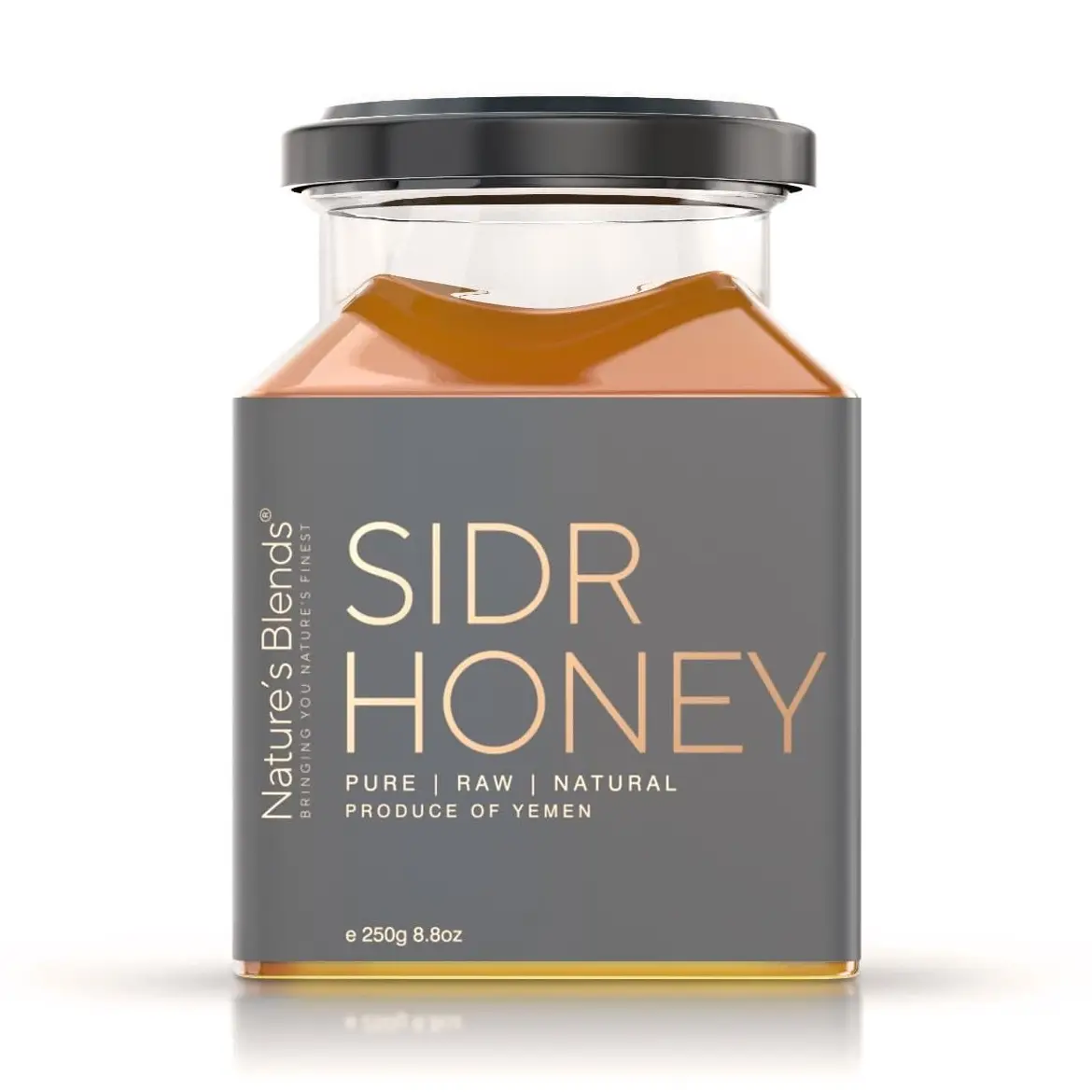
Raw Yemeni Sidr honey from Yemen, harvested during the brief flowering season of the Sidr tree (Ziziphus spina-christi). This rich, distinctive honey has a naturally creamy texture with notes of caramel, warm spice, and dried fruit. Traditionally harvested by Yemeni beekeepers, Sidr honey is produced in limited quantities and is one of Yemen’s most sought-after specialty honeys.
Flavor Profile
Rich and velvety with:
-
A naturally creamy texture
-
Notes of caramel, warm spice, and dried fruit
-
A smooth, lingering finish
Why It’s So Special
This honey is prized for:
-
A very short blooming season
-
Harvesting done using traditional, low-intervention methods
-
High levels of natural enzymes and polyphenols
-
True single-origin sourcing from trusted Yemeni beekeepers
Counterfeits are common in the global market, so genuine product is increasingly rare.
How to Enjoy
Perfect by the spoonful or drizzled over warm bread, fruit, or soft cheeses. Its bold character also pairs beautifully with black tea or dates. Many people enjoy it simply on its own to appreciate its full complexity.
Yemen
Explore our Yemen honey collection and learn more about raw Yemeni Sidr honey, prized for its rich flavor and generations of traditional Yemeni beekeeping.
Yemen has been producing honey for thousands of years and is widely recognized as one of the world’s most respected honey-producing regions. Its rugged mountains, deep valleys, and isolated landscapes provide ideal conditions for bees to forage on native flowering trees and plants that have supported traditional beekeeping for generations.
The country’s most famous honey comes from the Sidr tree (Ziziphus spina-christi), which grows naturally throughout parts of Yemen and the Arabian Peninsula. During the brief flowering season, bees collect nectar from the fragrant blossoms, producing the rich, amber-colored honey that has become known worldwide as authentic Yemeni Sidr honey.
Yemen’s dry climate and diverse native vegetation contribute to the distinctive character of its honey. Many beekeeping regions remain remote and relatively untouched by intensive agriculture, allowing bees to forage on naturally occurring nectar sources in landscapes that have changed little over centuries. The result is honey that reflects the unique floral diversity and environmental conditions of the region.
Unlike large-scale commercial honey production, much of Yemen’s honey is still harvested by small family beekeepers using traditional methods passed down through generations. Colonies are often moved seasonally to coincide with blooming Sidr trees, and the honey is harvested only after the bees have fully ripened it within the comb. Annual harvests are naturally limited by weather, flowering conditions, and the short blooming season.
While Sidr honey is Yemen’s best-known variety, the country also produces other distinctive regional honeys from native flowering plants and mountain flora. This long tradition of beekeeping, combined with Yemen’s remarkable biodiversity, has helped establish the country as one of the world’s premier sources of specialty honey.
Because genuine Yemeni Sidr honey is harvested in relatively small quantities and demand has grown worldwide, authentic products command premium prices. This has also led to counterfeit and adulterated products appearing in some markets, making trusted sourcing increasingly important for consumers seeking genuine Yemeni honey.
Today, honey enthusiasts around the world seek out authentic Yemeni honey not only for its smooth texture and rich caramel-like flavor, but also for the history, craftsmanship, and cultural heritage behind every harvest. For many, Yemen represents one of the last places where traditional honey production continues much as it has for centuries, preserving techniques and flavors that have earned the country an enduring reputation among the world’s finest honey-producing regions.