


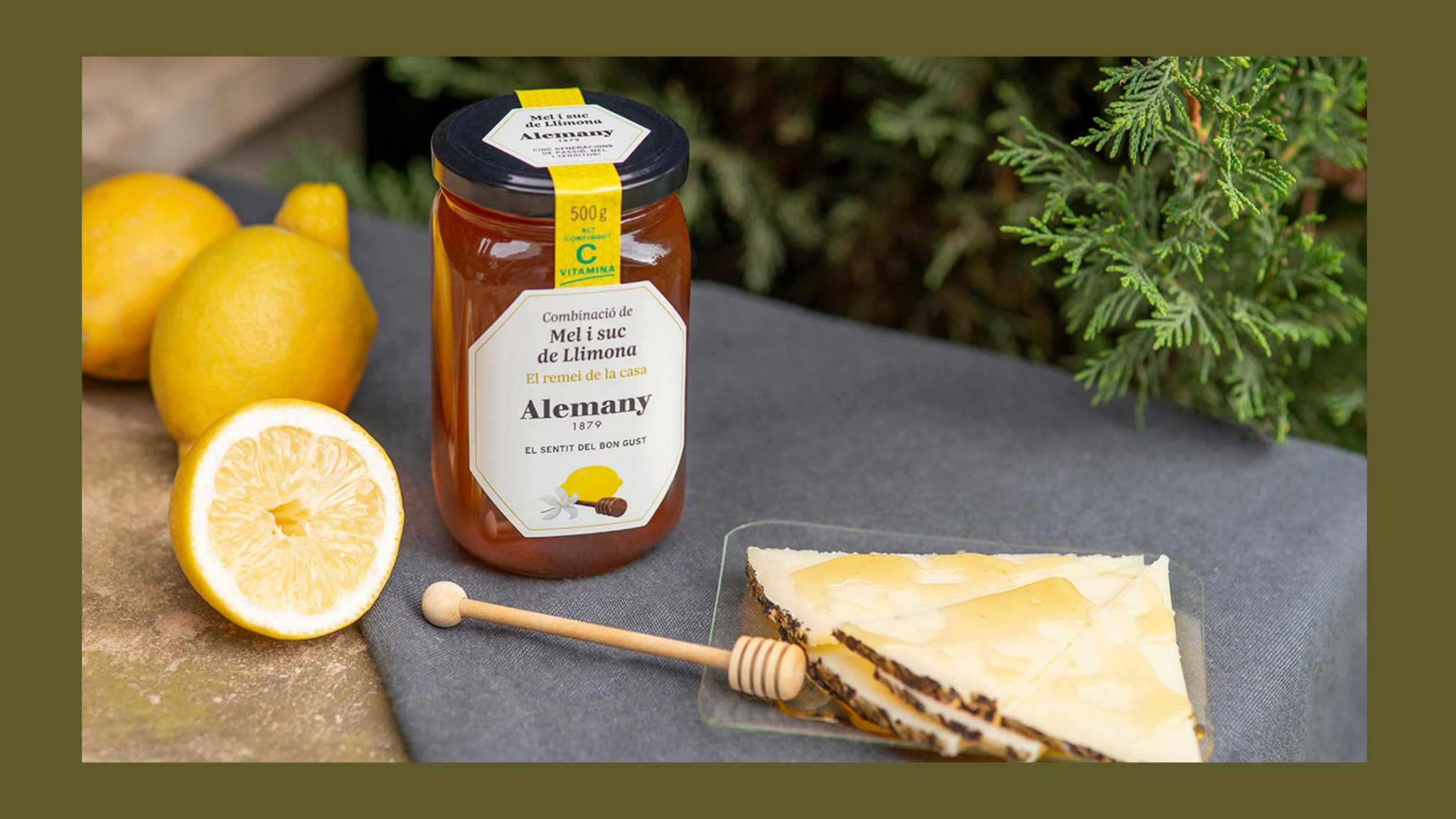
If honey does not expire, why do so many jars, especially imported honey, carry a best by or expiration date?
This question comes up frequently for customers purchasing international honeys, and it highlights a gap between food science and global labeling regulations.
The short answer is simple.
Expiration dates on honey are almost always about regulatory compliance, not food safety.
The longer answer requires understanding how different countries regulate food labeling.
Honey Stability Versus Labeling Rules
From a food science perspective, honey is shelf stable. This is widely accepted and supported by research, historical evidence, and industry standards.
From a regulatory perspective, honey is treated like most other packaged foods in many countries, even though its chemistry is very different.
This mismatch is the source of most expiration date confusion.
United States Honey Labeling Standards
In the United States, honey labeling is governed by the U.S. Food and Drug Administration.
Federal law does not require expiration dates on honey. In fact, the only food product in the United States that must legally carry a use by date is infant formula.
For honey sold domestically in the US, required label elements include:
-
The word honey as the product name
-
Net weight
-
Name and address of the producer, packer, or distributor
Any date printed on US honey is voluntary and intended to reference quality, not safety.
Why Imported Honey Almost Always Has a Date

Many countries outside the United States follow stricter food labeling rules. In these markets, date labeling is mandatory for nearly all packaged foods, regardless of perishability.
Codex Alimentarius Standards
The Codex Alimentarius, created by the FAO and WHO, establishes international food standards that many countries adopt into law.
Under Codex guidelines, honey sold internationally is required to include a date of minimum durability. This is often phrased as best before.
This date reflects how long the producer guarantees the product will remain in its original appearance and texture, not when it becomes unsafe.
European Union Honey Labeling
Honey sold within the European Union must follow the EU Honey Directive.
Under EU rules:
-
A best before date is mandatory
-
The date is typically set two years from bottling
-
The requirement applies regardless of honey type or origin
When honey is bottled for global distribution, producers often use one label for multiple countries. To meet the strictest rules, they include the date even when exporting to the United States.
US Customs and Import Oversight

Imported honey entering the United States must pass inspection by US Customs and FDA import systems.
While the FDA does not require expiration dates on domestic honey, imported foods must:
-
Declare country of origin
-
Identify the producer and packer
-
Be traceable to a production batch
Dates on imported honey often serve as traceability markers for international shipments rather than indicators of food safety.
Why Removing Dates Is Not Practical for Importers
International honey producers sell into multiple markets at once. Printing separate labels for each country would significantly increase costs and complexity.
As a result, imported honey labels usually reflect:
-
The most restrictive country’s rules
-
Global traceability requirements
-
Inventory tracking standards
This is why customers may see dates on imported honey that would never be required on locally produced honey.
Upcoming Changes in US Labeling Laws

Some US states are beginning to address consumer confusion around date labeling.
California has passed California Assembly Bill 660, which will take effect in 2026. This law restricts the use of sell by dates and standardizes quality versus safety language.
Although honey is not perishable, laws like this signal a broader shift toward clearer labeling nationwide.
What Expiration Dates on Honey Really Mean
A best by date on honey does not mean:
-
The honey is unsafe
-
The honey has spoiled
-
The honey should be discarded
Instead, it means:
-
The date was required by a regulatory body
-
The producer selected a conservative quality reference
-
The label was designed for global distribution
Honey does not suddenly change when a printed date passes.
Why This Matters to Consumers
Misunderstanding honey expiration dates leads to:
-
Unnecessary food waste
-
Hesitation to purchase imported honey
-
Confusion about product safety
Honey is one of the most naturally stable foods available. Dates on jars reflect paperwork, not perishability.
Connecting This to Honey Storage and Use
As explained in our companion article on honey expiration, honey remains safe when:
-
Properly harvested
-
Stored in sealed containers
-
Kept away from excess moisture
Crystallization, darkening, or thickening over time are natural changes and not indicators of spoilage.
The Bottom Line
Honey does not expire, but food labeling laws vary widely around the world. Imported honey carries dates because regulations require them, not because the honey has a limited shelf life.
Understanding this distinction allows consumers to make informed choices and enjoy honey with confidence. Review our earlier blog on
Does Honey Expire? Why “Best By” Dates Do Not Mean Honey Has Gone Bad