



Mad Honey Explained: History, Origins and What Makes It Unique
Imagine a honey referenced in ancient military history. A honey harvested from remote mountain regions where traditional methods have remained largely unchanged for generations.
This is mad honey, sometimes called Himalayan cliff honey.
Unlike conventional honey, mad honey comes from nectar gathered from specific species of Rhododendron flowers. Its story stretches from the mountains of Nepal to the Black Sea region of Turkey, blending history, botany, and cultural tradition into one of the world’s most fascinating honey varieties.
At Bee-Licious Honey, we source authentic mad honey from both regions, offering a rare look into two distinct traditions.
What Is Mad Honey?
Mad honey is raw honey produced from bees that forage on certain Rhododendron species containing naturally occurring compounds called grayanotoxins.
These compounds are plant-derived and are not added or altered during harvesting. When present in sufficient concentration, grayanotoxins are known to interact with sodium channels in the body. This interaction is why mad honey has historically been described as producing noticeable physiological responses when consumed in larger quantities.
Mad honey is still honey. It is unprocessed, naturally harvested, and minimally handled. What makes it different is its botanical origin.
A Brief Historical Reference
One of the earliest written accounts of mad honey dates back to 67 BCE. Historical records describe Roman soldiers consuming honey left behind in the region of Pontus, in modern-day Turkey. After eating it, many reportedly became disoriented, allowing opposing forces to gain advantage.
Whether legend or strategic tactic, this account remains one of the earliest documented examples of honey influencing human physiology.
For centuries since, mad honey has appeared in folklore, regional traditions, and botanical literature.
Two Regions, Two Traditions
At Bee-Licious Honey, we offer mad honey from both Nepal and Turkey. Each represents a different ecological and cultural environment.
Nepali Mad Honey: Himalayan Cliff Harvest


High in the Himalayan foothills, members of the Gurung community continue a traditional cliff-harvesting practice. Using rope ladders and handmade tools, they collect wild combs from Apis laboriosa, the world’s largest honeybee.
These bees build massive combs under rock overhangs at elevations reaching nearly 10,000 feet. Harvesting is seasonal and physically demanding.
Because this honey is wild-collected and minimally processed, it may have:
-
Higher natural moisture content
-
A bold, tangy aroma
-
Complex, earthy flavor notes
The result is a honey that reflects both altitude and biodiversity. It is often referred to as Himalayan cliff honey.
If you would like to explore authentic mad honey sourced from Nepal and Turkey, you can view our carefully selected collection here.
How Himalayan Cliff Honey Is Harvested
Harvesting mad honey in Nepal is one of the most dramatic honey-gathering traditions in the world. Honey hunters descend steep cliffs using handmade rope ladders while smoke is used to gently disperse the bees.
Large combs built by Apis laboriosa are carefully cut and lowered to the ground in woven baskets. The harvest is seasonal and typically occurs twice a year, when Rhododendron blooms provide nectar for the colonies.
This physically demanding process has been practiced for generations and remains an important cultural tradition in many Himalayan communities.
Turkish Mad Honey: Black Sea Rhododendron Honey


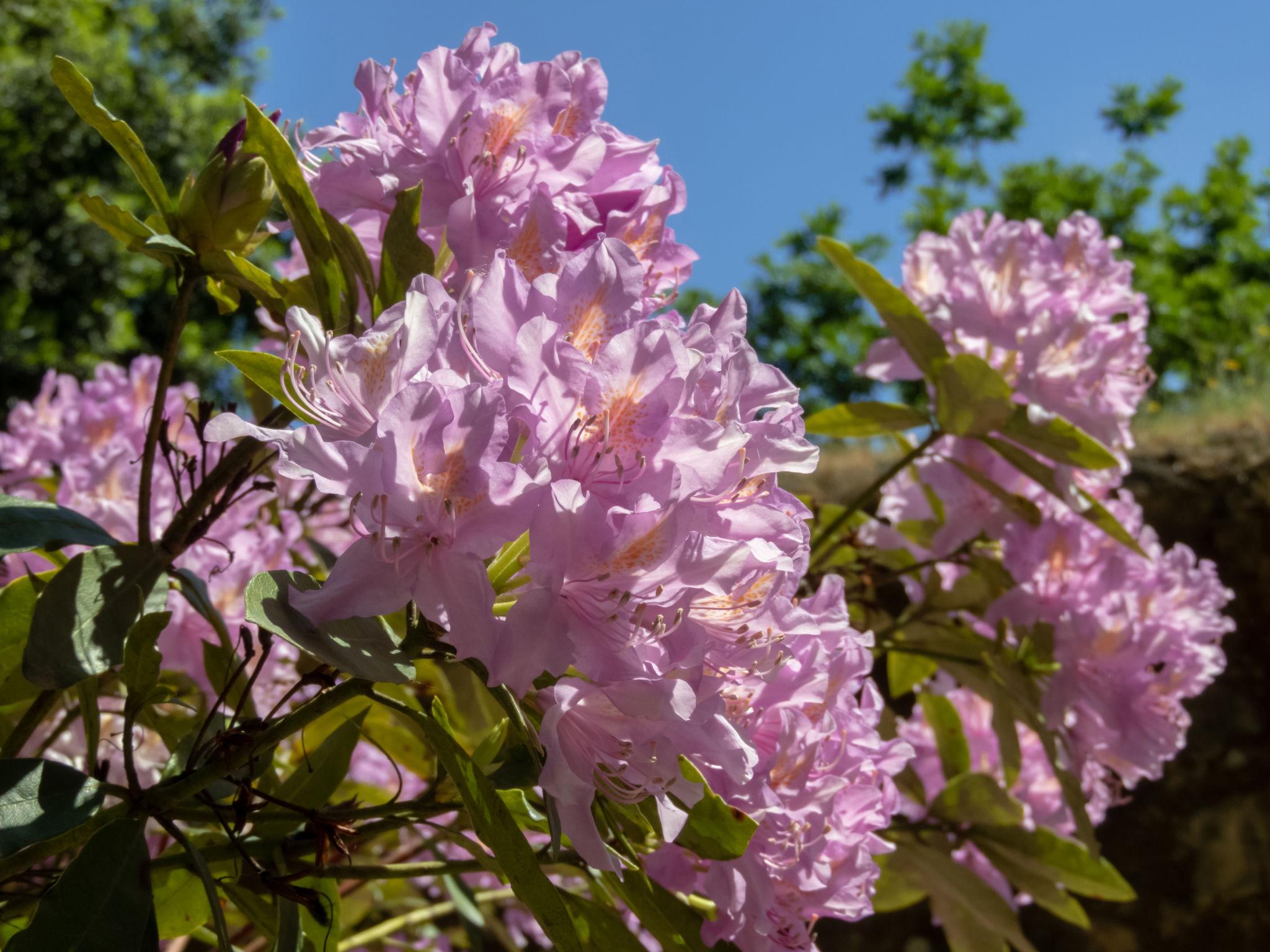
In Turkey’s Black Sea region, particularly the Kaçkar Mountains, beekeepers harvest what is locally known as deli bal.
Unlike Nepal’s wild cliff harvest, Turkish mad honey is typically collected through managed beekeeping practices. Bees forage on Rhododendron ponticum, a flowering plant native to the region.
Turkish mad honey is generally:
-
Lighter in texture
-
More floral in character
-
Less fermented in aroma than Himalayan varieties
It remains an important regional specialty with deep historical roots.
To discover traditional Turkish mad honey from the Black Sea region, visit our Turkish Mad Honey page
What Makes Mad Honey Different from Regular Honey?
The key difference is botanical source.
Most honey comes from diverse floral nectar sources without significant concentrations of grayanotoxins. Mad honey is derived primarily from specific Rhododendron species that naturally contain these compounds.
This does not make mad honey synthetic or altered. It is entirely natural. It does make it chemically distinct.
Because grayanotoxin concentration can vary based on bloom season, climate conditions, and hive location, each batch may differ slightly in flavor and intensity.
Is Mad Honey Safe?
Mad honey contains naturally occurring grayanotoxins. Medical literature has documented that excessive consumption may lead to temporary symptoms such as:
-
Dizziness
-
Nausea
-
Lowered blood pressure
-
General discomfort
Sensitivity varies significantly from person to person.
For this reason, mad honey should be approached thoughtfully and with awareness. Individuals with medical conditions, especially cardiovascular concerns, or those taking medications affecting blood pressure should consult a healthcare professional before consumption.
Mad honey is not recommended for:
-
Individuals under 18
-
Pregnant or nursing individuals
-
Those with heart conditions
Bee-Licious Honey provides this information for educational purposes only and does not offer medical advice.
Why Do People Seek Mad Honey?
Mad honey attracts interest for several reasons.
Cultural significance. It connects consumers to long-standing harvesting traditions in Nepal and Turkey.
Botanical uniqueness. It represents a rare example of a monofloral honey shaped by high-altitude Rhododendron ecosystems.
Culinary curiosity. Its flavor profile, which can be bold and resinous, differs markedly from clover or wildflower honey.
Historical fascination. Few honeys carry such well-documented ancient references.
What Does Mad Honey Taste Like?
Mad honey often has a flavor profile that differs noticeably from conventional honey. Depending on the region and floral source, it may present notes that are slightly bitter, resinous, or herbal alongside the expected sweetness of honey.
Himalayan mad honey can sometimes develop deeper, fruit-like notes. Because it is often harvested with a higher natural moisture content, mild fermentation may occur, which can produce flavors reminiscent of prunes or raisins.
Turkish mad honey, often known locally as deli bal, tends to be smoother and more floral. Some tasters describe subtle fruit notes that resemble grapes.
As with many monofloral honeys, the exact flavor can vary from harvest to harvest depending on climate conditions, nectar availability, and how the honey is handled after collection.
Choosing Between Authentic Nepal and Turkey Honey
If you are interested in exploring mad honey, the choice often comes down to flavor preference and origin.
Nepal Himalayan Mad Honey offers a wild-harvested, bold, complex profile.
Turkish Mad Honey, or deli bal, offers a managed harvest with floral and smoother characteristics.
Both represent authentic regional traditions.
A Final Note from Bee-Licious Honey
At Bee-Licious Honey, we focus on sourcing authentic, responsibly harvested honeys from around the world. Mad honey is one of the most historically intriguing varieties we offer. You can explore our mad honey collection here
As with all specialty foods, informed awareness and responsible consumption are essential.
If you are curious about this rare Rhododendron honey, we invite you to explore our collection and learn more about the regions and traditions behind it.