
How honey, herbs, and time can transform simple ingredients into something more complex
Fermented honey herbs are made by combining raw honey with herbs and allowing natural fermentation to develop over time. This traditional method creates complex flavors and transforms plant compounds through natural microbial activity.
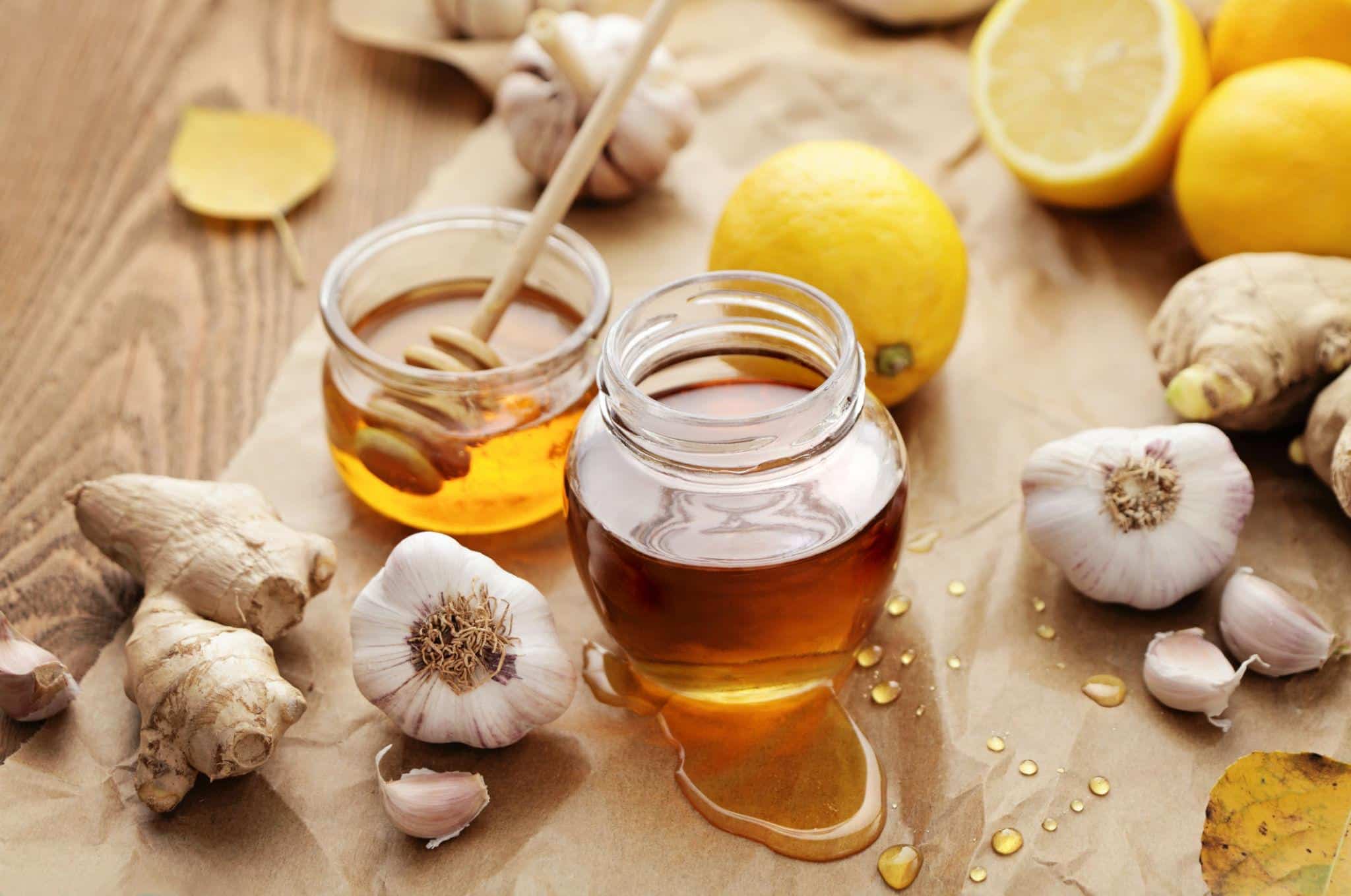
For thousands of years, cultures across Asia, India, and Eastern Europe preserved herbs using natural fermentation techniques. Long before capsules and supplements filled store shelves, people relied on simple combinations of honey, plant material, and time.
Today, this traditional approach is gaining renewed interest. It is not a replacement for modern nutrition, but a way to explore how fermentation can change the properties of everyday ingredients.
What Is Herbal Fermentation?
Herbal fermentation is the process of combining herbs with a natural medium, often raw honey, vinegar, or water, and allowing beneficial microorganisms to transform the mixture over time.
During this process:
- Natural enzymes begin to break down plant compounds
- Beneficial bacteria and yeasts interact with sugars and plant material
- New flavor profiles and chemical byproducts develop
This is similar to how foods like kimchi, yogurt, and sourdough are created.
Why Ferment Herbs With Honey?
Raw honey has been used in traditional preparations for centuries because of its natural composition.
When combined with herbs, honey:
- Acts as a preservative due to its low moisture content
- Provides natural sugars that support fermentation
- Helps extract certain plant compounds over time
In many traditional systems, honey-based preparations were valued for both their flavor and functional properties.
What Happens During Fermentation?
Scientific research suggests that fermentation can alter plant compounds in measurable ways.
During fermentation, natural microorganisms interact with plant material and sugars, which can lead to:
- Changes in polyphenol composition
- Formation of new metabolites
- Differences in antioxidant activity depending on the process used
A review published in Food Research International found that fermentation can enhance or modify the bioactive properties of herbal materials through microbial transformation.
Additional research and reviews have noted that fermentation of herbs and plant-based foods can influence flavor, stability, and chemical composition, particularly in relation to phenolic compounds and antioxidant behavior.
This is one reason traditional preparations using honey and herbs have remained part of food cultures for generations.
Traditional Uses Around the World
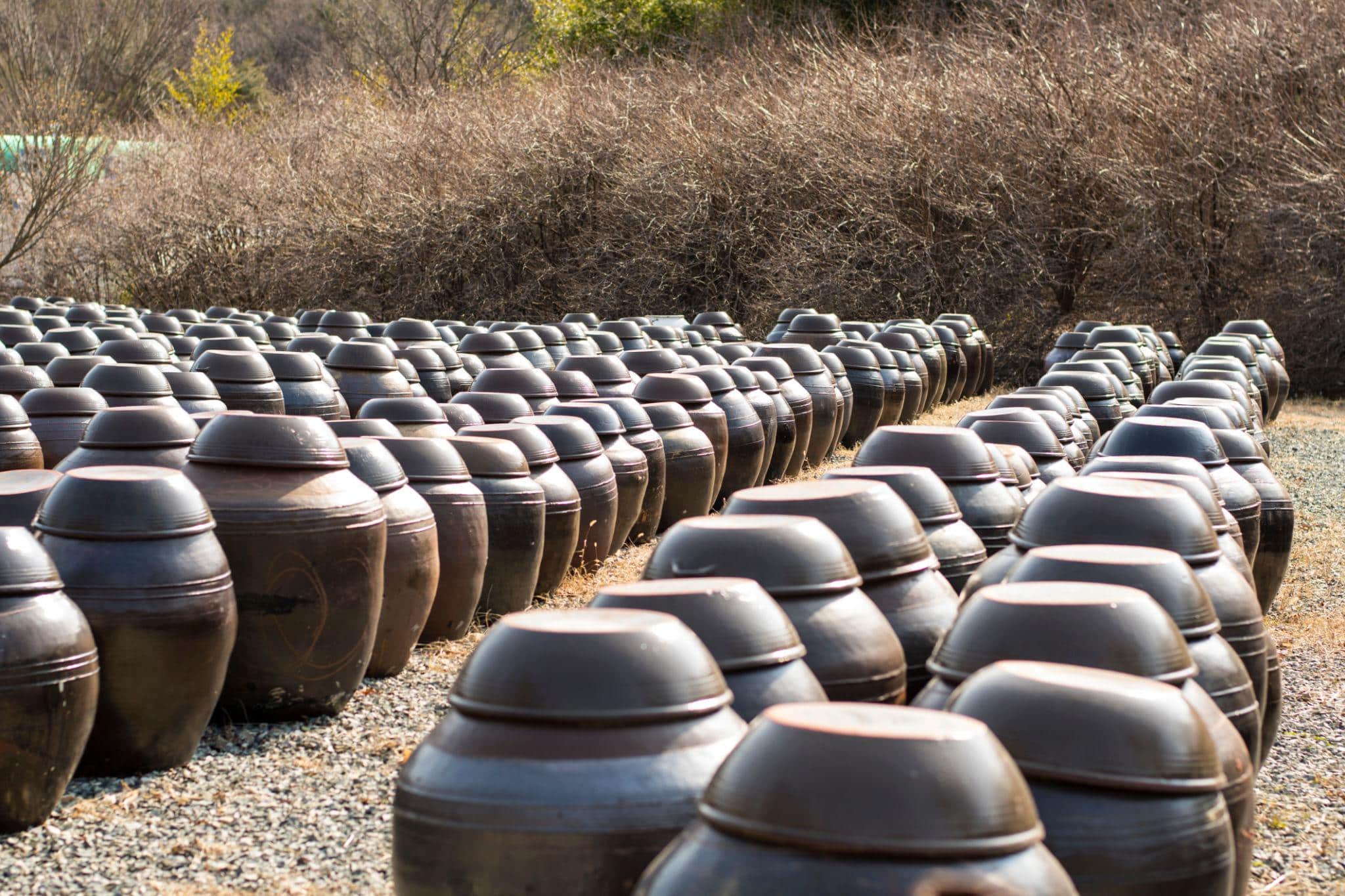
Fermented herbal preparations appear in many traditional practices:
Korea: Fermented fruit and herb tonics often referred to as koso
India: Honey-based herbal preparations used in Ayurvedic traditions
Eastern Europe: Herbal tonics and infused honey preparations
Russia: Traditional beverages like sbiten, combining honey and herbs
These were often part of daily life, used in small amounts as part of food and seasonal routines.
A Simple Honey Herb Fermentation Method
This basic method is often used for kitchen-scale preparations.
Ingredients:
- Raw honey
- Fresh or dried herbs such as garlic, ginger, rosemary, or thyme
- Clean glass jar
Steps:
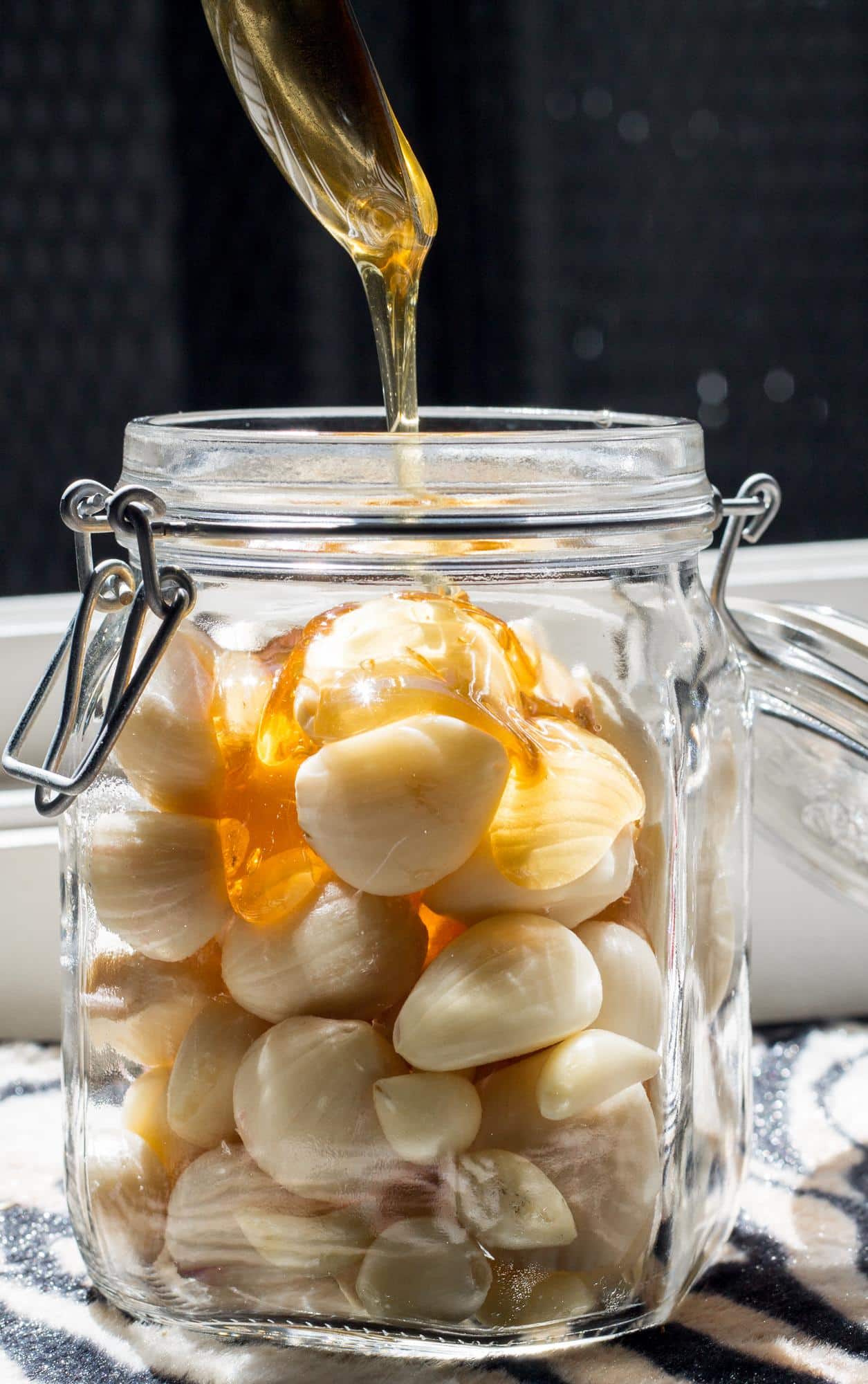
- Fill a jar about halfway with herbs
- Pour honey over the herbs until fully covered
- Stir gently to remove air pockets
- Loosely cover the jar so gases can escape
- Store at room temperature
Timing:
- Light fermentation may begin within a few days
- Many people allow 1 to 2 weeks before using
Maintenance:
- Stir or turn the jar daily
- Keep herbs fully submerged in honey
What to Expect
Over time, the mixture may:
- Become thinner as natural moisture is released
- Develop small bubbles, which indicate fermentation activity
- Change in flavor, often becoming more complex
These changes are part of the natural fermentation process.
Where Honey Fits In
For those interested in exploring traditional preparations, honey offers a unique base due to its stability and long history of use in food preservation.
At Bee-Licious Honey, we often see interest in:
- Raw honey for culinary uses
- Honey pairings with herbs and spices
- Traditional and global honey practices
Fermented honey herbs sit right at the intersection of all three.
Frequently Asked Questions
Is fermented honey safe?
When prepared properly with clean ingredients and correct ratios, honey-based ferments are generally considered stable. Proper handling and storage are important.
Does fermentation make herbs stronger?
Fermentation changes the chemical composition of herbs, but how this translates to real-world effects is still being studied.
Do I need special equipment?
No. A clean jar, quality ingredients, and time are usually sufficient.
Can I use any honey?
Raw honey is often preferred because it contains natural enzymes and microorganisms.
Final Thoughts
Fermenting herbs with honey is not a new trend. It is a rediscovery of a long-standing tradition.
While modern supplements offer convenience, traditional methods like this highlight how simple ingredients can evolve over time in ways that are still being explored by science today.


