


Italian Strawberry Tree Honey: A Bitter-Sweet Honey with No Equal
Every Honey Has a Story: When Honey Steps Outside Expectations
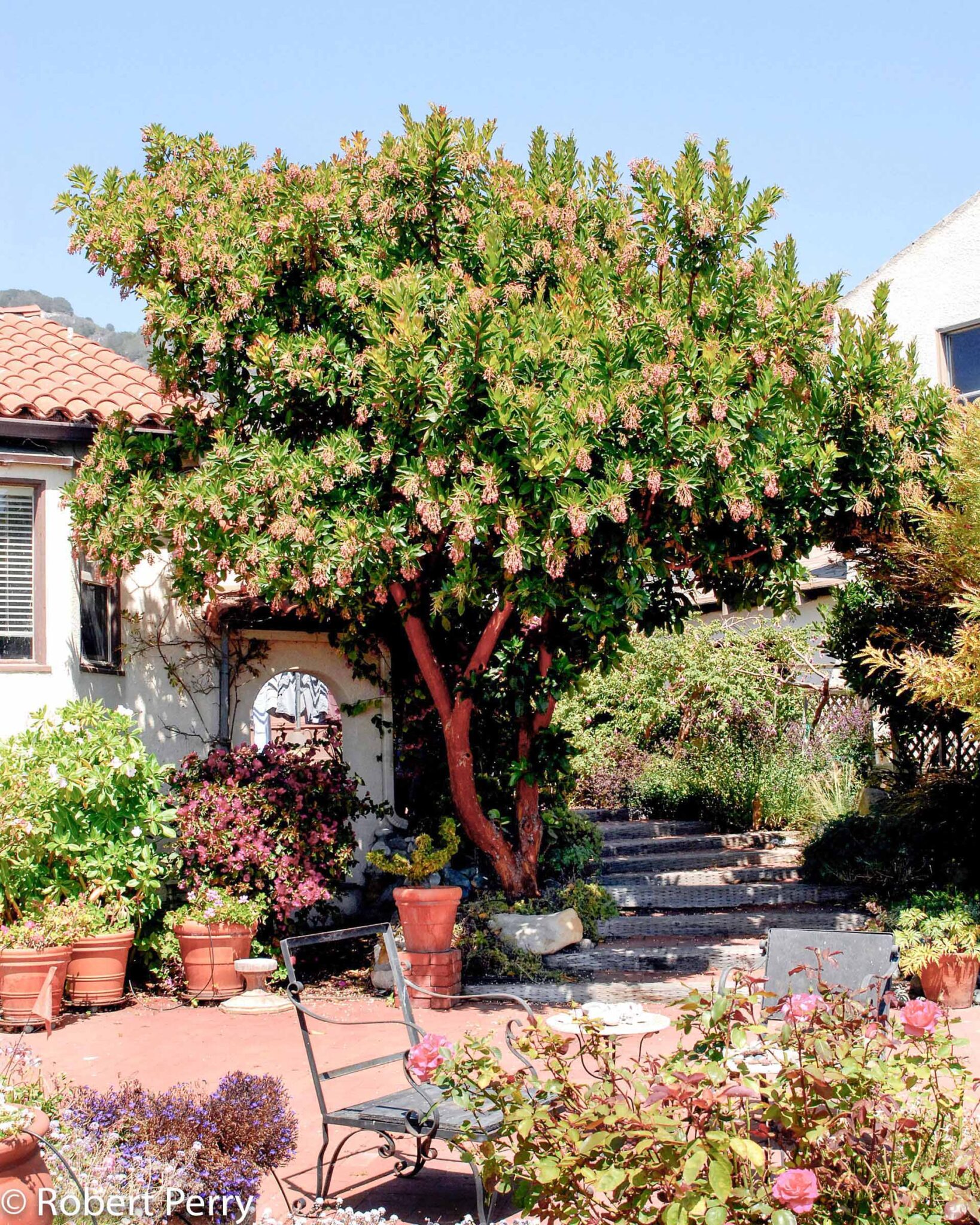
In parts of Italy, particularly within Mediterranean landscapes, the strawberry tree blooms quietly in late autumn, a time when most flowering plants have long finished. This timing alone sets it apart. Bees working these blossoms produce a honey that challenges nearly every assumption about what honey should smell and taste like.
Italian Strawberry Tree honey is not gentle, floral, or easy. It is complex, serious, and unmistakable, shaped by a plant that flowers against the season rather than with it.
The Unexpected Turn: A Honey Defined by Bitterness
Strawberry Tree honey is known for its pronounced bitter character, something rare in the world of honey. While sweetness is present, it arrives softly and quickly gives way to deeper, darker notes.
This bitterness is not accidental. It is the defining feature of the honey and the reason it has long been valued by those who seek depth, contrast, and complexity rather than comfort.
A Sensory Journey: Look, Smell, and Taste
The Look: Dark and Creamed
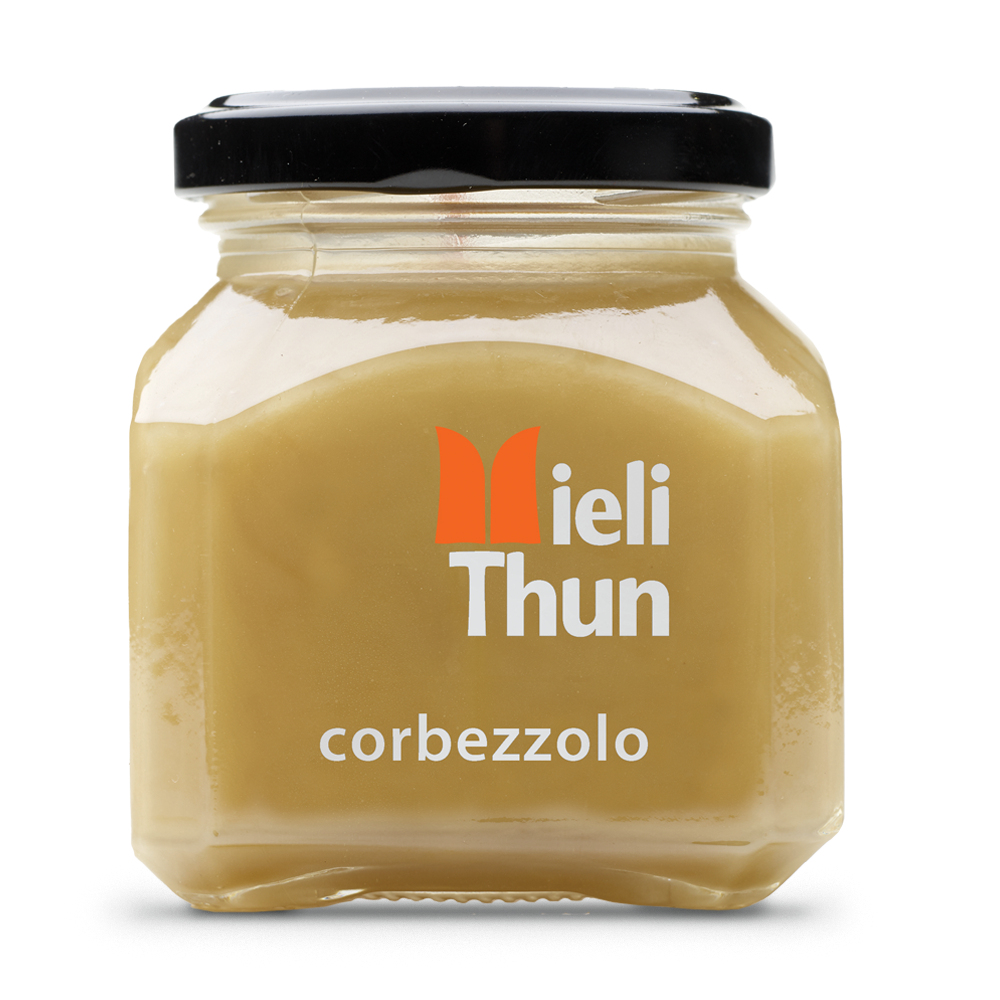
This honey is traditionally presented as a creamed honey, giving it a dense, uniform appearance. Its color ranges from deep amber to dark brown, reflecting its intensity.
The Smell: Roasted, Mineral, and Complex
The aroma opens with notes of roasted coffee and soil minerals. Cocoa beans follow, joined by hints of rhubarb and gentian. Together, these elements create a layered and expansive olfactory profile that evolves with time.
The Flavor: Mild Sweetness Followed by Deep Bitterness
On the palate, the sweetness is restrained and brief. Bitter notes quickly emerge, recalling chicory, moist tobacco leaf, cocoa beans, freshly cut wood, and bitter roots. The finish is long and persistent, leaving a strong impression.
A Note on Its Unique Marker
Strawberry Tree honey contains a natural compound called homogentisic acid, which is absent in all other honeys. Its presence acts as a clear marker for this variety, helping confirm its botanical origin and reinforcing how singular this honey truly is.
The Signature Texture: Dense and Spreadable
-
Texture: Traditionally creamed, not pourable
-
Mouthfeel: Smooth, cohesive, and persistent on the palate
-
Serving Style: Designed for spreading and tasting rather than drizzling
How to Enjoy the Story
Italian Strawberry Tree honey is best approached thoughtfully. Pair it with aged cheeses, bitter greens, or dark breads where its bitterness can stand alongside equally bold flavors. It is also appreciated in very small amounts, allowing the complexity to unfold without excess.
This is a honey for experienced palates and curious eaters. It does not try to please everyone, and that is precisely its strength.
Out of stock
Mieli Thun
These pure and nomadic monofloral honeys are collected during peak blooming periods in specially selected, uncontaminated locations. Nomadic honeys, produced by taking the bees to sixty extraordinary sites, a family tradition involving trips all over the country, careful observation and paying heed to the tales of the farmers, who are true connoisseurs of the land.
Mieli Thun is all of this.

I’ve eaten a variety of their honeys and each is wonderful. I highly recommend.



I’ve eaten a variety of their honeys and each is wonderful. I highly recommend.
Recipes
- Baked Cheesy Cornbread with Butter and Honey
- Baked Honey Lime Salmon
- Balsamic Honey Vinaigrette Dressing
- Cheese Pancakes with Honey and Fresh Raspberries
- Chicken Caesar Salad with Honey Mustard Dressing
- Greek Yogurt Parfait with Granola and Honey
- Honey Drizzled Stuffed Dates
- Honey Glazed Grilled Pineapple Dessert
- Honey-Glazed Baked Chicken Wings and Drumsticks
- Honey-Tahini Dressing with Grilled Vegetables
- Honey-Topped Classic Waffles
- Pure Honey French Toast
- Sweet Honey-Glazed Pork with Fresh Veggies
- Honeyed Lemon-Mint Tea
- Upside Down Peach Puff Pastry A la Mode
- Yummy Honey Cupcakes