


Italian Alfalfa Honey: A Gentle Honey with a Surprising Flower
Every Honey Has a Story: A Familiar Crop with an Unusual Bloom
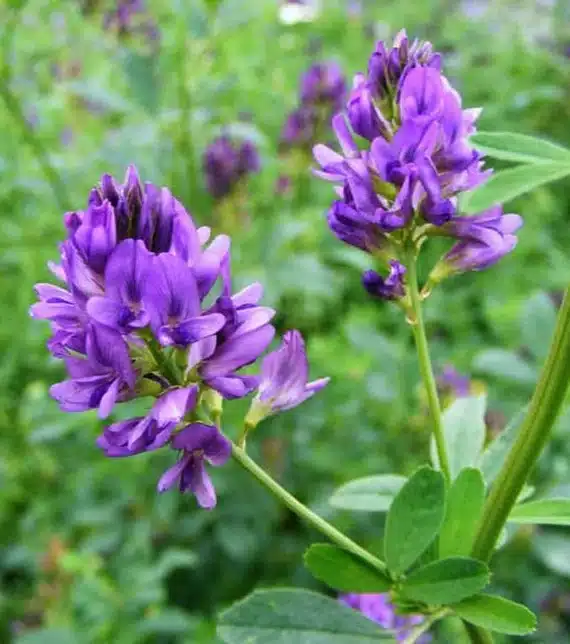
Across agricultural regions of Italy, alfalfa grows as a hardworking crop, valued for its role in farming and animal husbandry. Its purple flowers bloom steadily during warm months, offering nectar that bees collect into a honey known for its calm, balanced character.
Italian Alfalfa honey reflects these cultivated landscapes. It is not flashy or dramatic. Instead, it offers a composed, approachable profile shaped by working fields and steady forage.
The Unexpected Turn: A Flower That Pushes Back
Alfalfa flowers have a unique pollination mechanism. When a bee lands to collect nectar, the flower releases its reproductive parts in a sudden motion that strikes the bee. This action helps pollinate the plant, but it can startle bees, causing some to avoid the flowers after being “smacked.”
Despite this unusual interaction, bees continue to visit alfalfa blooms, and when conditions align, they produce a honey that is notably gentle and restrained. This contrast between an assertive flower and a calm honey makes alfalfa honey especially interesting.
A Sensory Journey: Look, Smell, and Taste
The Look: Light and Even
Italian Alfalfa honey is typically light in color, often pale gold, with a clean and uniform appearance.
The Smell: Fresh Cut Fields
The aroma recalls new-mown grass and wet hay. Plant notes are present but delicate, evoking freshly worked farmland rather than flowers.
The Flavor: Soft, Milky, and Balanced
On the palate, the sweetness is medium and controlled. Notes of boiled milk and grape must appear gently, supported by low acidity and faint plant aromas. The flavor is calm and rounded, without sharp edges.
The Signature Texture: Smooth and Table-Friendly
-
Viscosity: Medium with a steady, easy pour
-
Mouthfeel: Soft and smooth on the palate
-
Crystallization: Naturally variable, often remaining fine and even
How to Enjoy the Story
Italian Alfalfa honey is well suited for everyday table use. It pairs naturally with bread, yogurt, and mild cheeses, and works beautifully as a gentle sweetener where balance matters more than intensity.
This is a honey for those who appreciate subtlety, agricultural tradition, and flavors that feel steady and familiar.
.
Mieli Thun
These pure and nomadic monofloral honeys are collected during peak blooming periods in specially selected, uncontaminated locations. Nomadic honeys, produced by taking the bees to sixty extraordinary sites, a family tradition involving trips all over the country, careful observation and paying heed to the tales of the farmers, who are true connoisseurs of the land.
Mieli Thun is all of this.

I’ve eaten a variety of their honeys and each is wonderful. I highly recommend.



I’ve eaten a variety of their honeys and each is wonderful. I highly recommend.
Recipes
- Baked Cheesy Cornbread with Butter and Honey
- Baked Honey Lime Salmon
- Balsamic Honey Vinaigrette Dressing
- Cheese Pancakes with Honey and Fresh Raspberries
- Chicken Caesar Salad with Honey Mustard Dressing
- Greek Yogurt Parfait with Granola and Honey
- Honey Drizzled Stuffed Dates
- Honey Glazed Grilled Pineapple Dessert
- Honey-Glazed Baked Chicken Wings and Drumsticks
- Honey-Tahini Dressing with Grilled Vegetables
- Honey-Topped Classic Waffles
- Honeyed Lemon-Mint Tea
- Pure Honey French Toast
- Sweet Honey-Glazed Pork with Fresh Veggies
- Upside Down Peach Puff Pastry A la Mode
- Yummy Honey Cupcakes